Zipify One Click Upsell Review https://t.co/GWpZq4Z2f2
— Voy Media (@voymedia1) April 22, 2019
from Twitter https://twitter.com/voymedia1
April 22, 2019 at 10:19AM
via VoyMedia
Zipify One Click Upsell Review https://t.co/GWpZq4Z2f2
— Voy Media (@voymedia1) April 22, 2019
Upselling is the sales technique that you can use to make your customers spend more after they have already decided to buy a product from you. While there are many upsell apps available for Shopify stores, you should focus on picking an application that allows the maximum customization and doesn’t ask customers for their payment information more than once.
Zipify’s OneClickUpsell lets you create custom upsell and downsell offer pages that are shown to customers after they have already added a product to their cart and entered the payment details. The company claims to increase your revenue by 10-15% instantly, but at $47 a month, is it really worth it? Let’s find out.
Founded by Ezra Firestone, Zipify is a Shopify application that claims to have more than a thousand customers. It has a remote team working from multiple countries and the company offers two main products to Shopify users:
The company claims that after adding Zipify to their Shopify stores, users have noticed an instance 10-15% increase in sales. Zipify has total orders worth more than $400 and has helped its users gain $26 million extra in revenue.
Pros
Cons
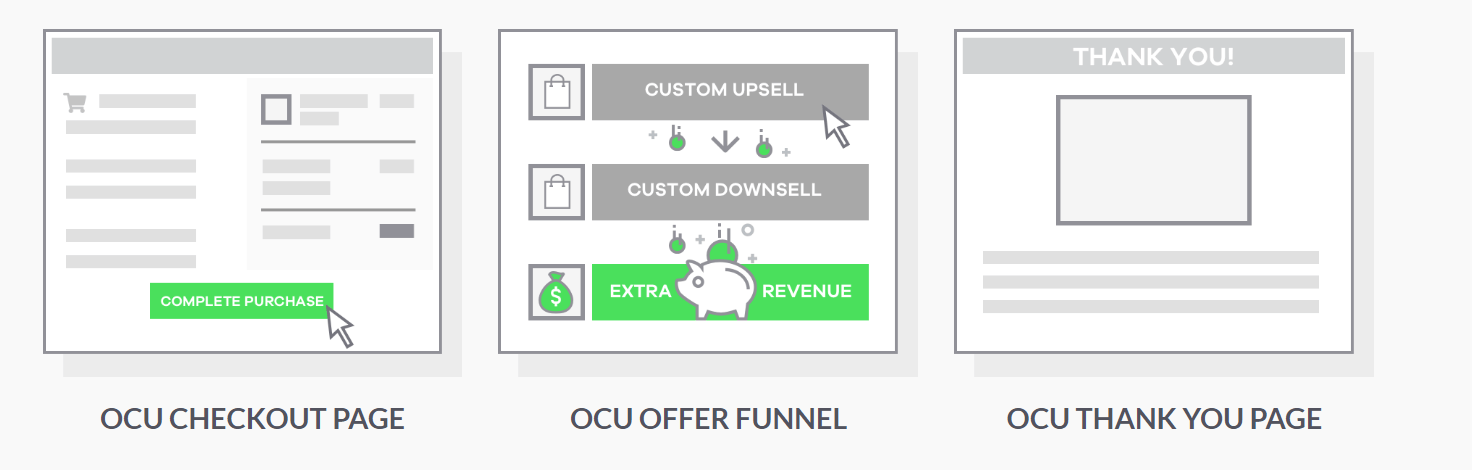
Zipify’s OneClickUpsell helps users create completely customized post-purchase upsell funnels for the products on their ecommerce website. The app offers an easy to use drag and drop editor through which you can create upsell or downsell pages quickly.
For each upsell funnel, you can create a sequence of upsell and downsell offer pages. Users can create multiple upsell funnels and every product can have its own unique funnel.
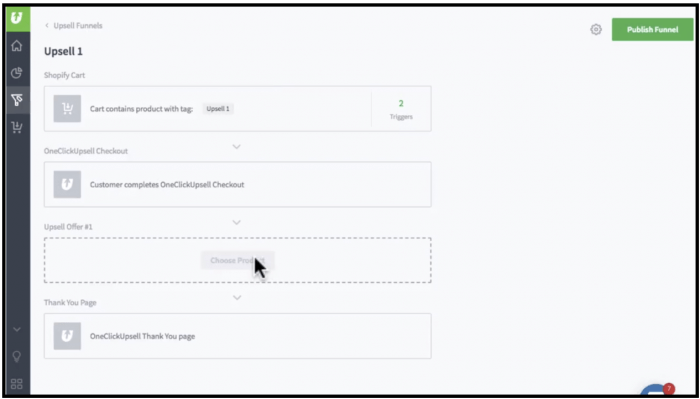
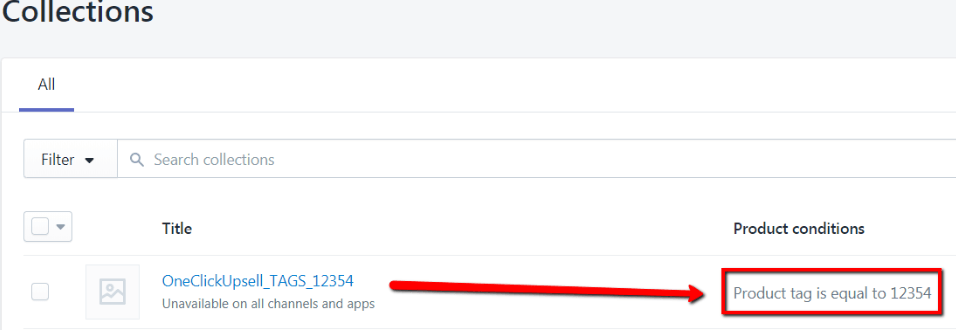
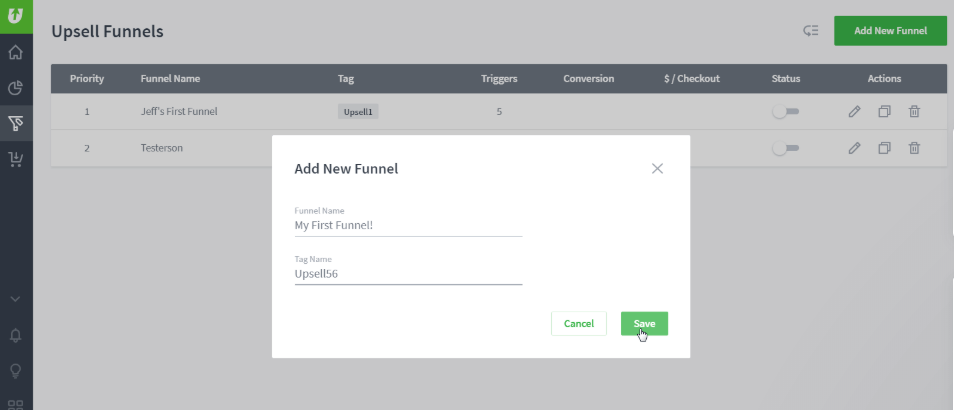
An upsell tag needs to be created for every funnel. This tag is then used to connect your store products to different funnels. The upsell funnels are added as hidden collections in Shopify and you can access them by going to Product → Collections in your Shopify admin.
After you create a funnel, you can add upsell or downsell offer products. You can either:
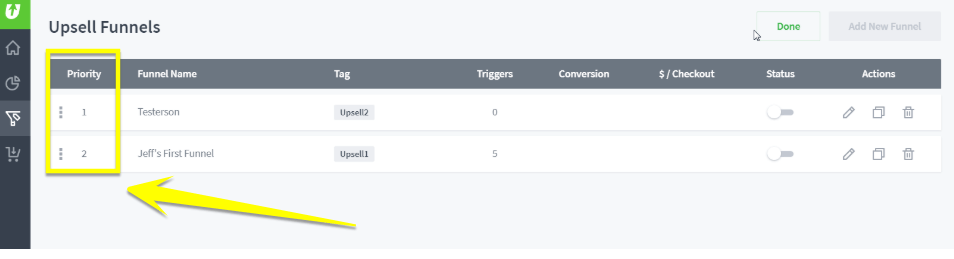
You can also change the order in which the offers are presented to the customers within an upsell funnel by changing the priority of each offer page. Funnel priority can be used when the cart contains products that trigger two or more funnels — The funnel with the highest priority will be triggered in that case.
For every upsell or downsell offer page, you can add customized title description and discounted costs. You can also change the colors of the offer pages to match your website theme.
Once the upsell page is created, you can link it to the main product that should trigger the upsell funnel by adding the respective upsell tag to the trigger page.
You can also disable or enable upsell funnels, depending on your requirements.
Zipify allows you to present a maximum of three upsell and two downsell offers to the customers.
The customer will be continuously presented with at most three upsell offers if they keep accepting the upsells. A downsell offer is only presented to the customers when they decline the first or the second upsell offer.
If the customer declines the first downsell, they will be taken to the second downsell offer and then to the order confirmation page.
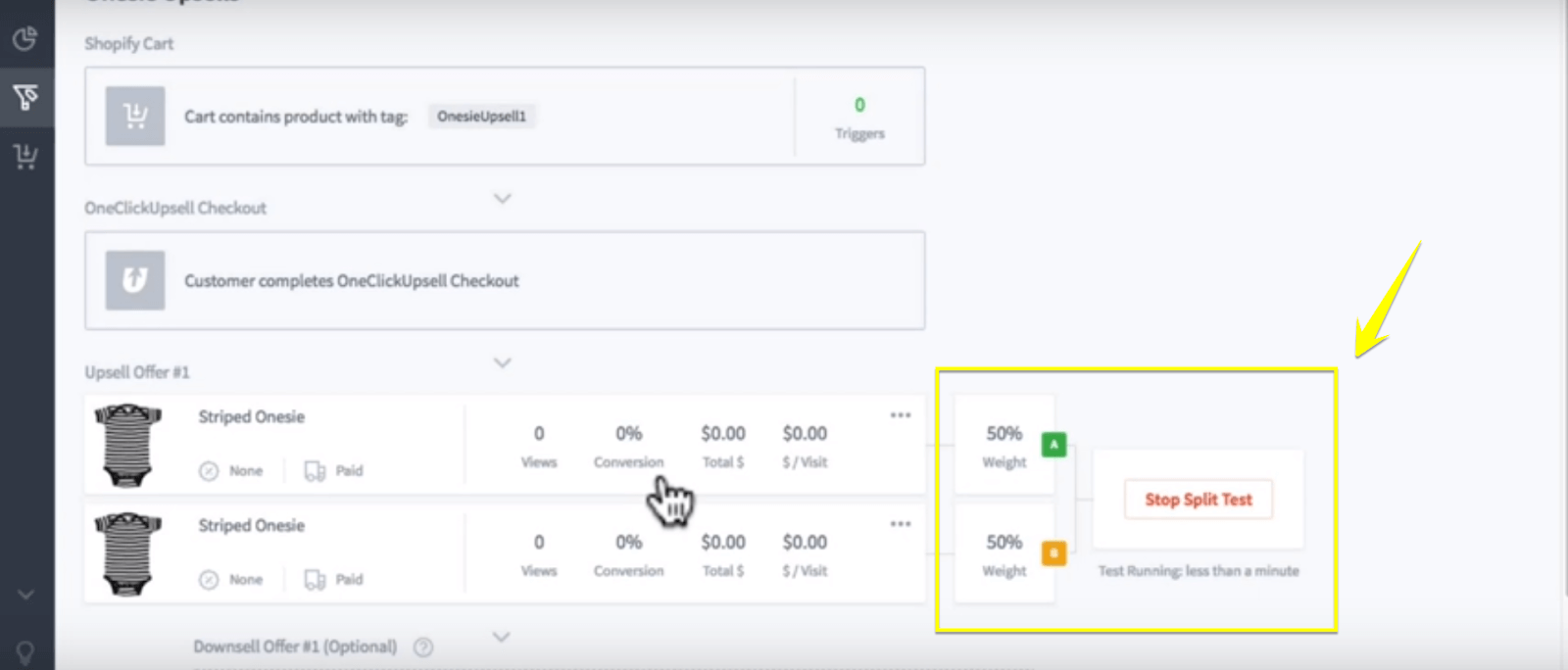
Zipify also allows you to split test the upsell and downsell offers that you have added to the upsell funnel. When you go on to create a split test, you will find two options:
As a bonus, you get also get an email sequence to increase sales even further when you buy a subscription to OneClickUpsell. Its a set of five emails that you can initiate when a customer abandons the cart. The Zipify OCU also works seamlessly with Clickfunnels as well.
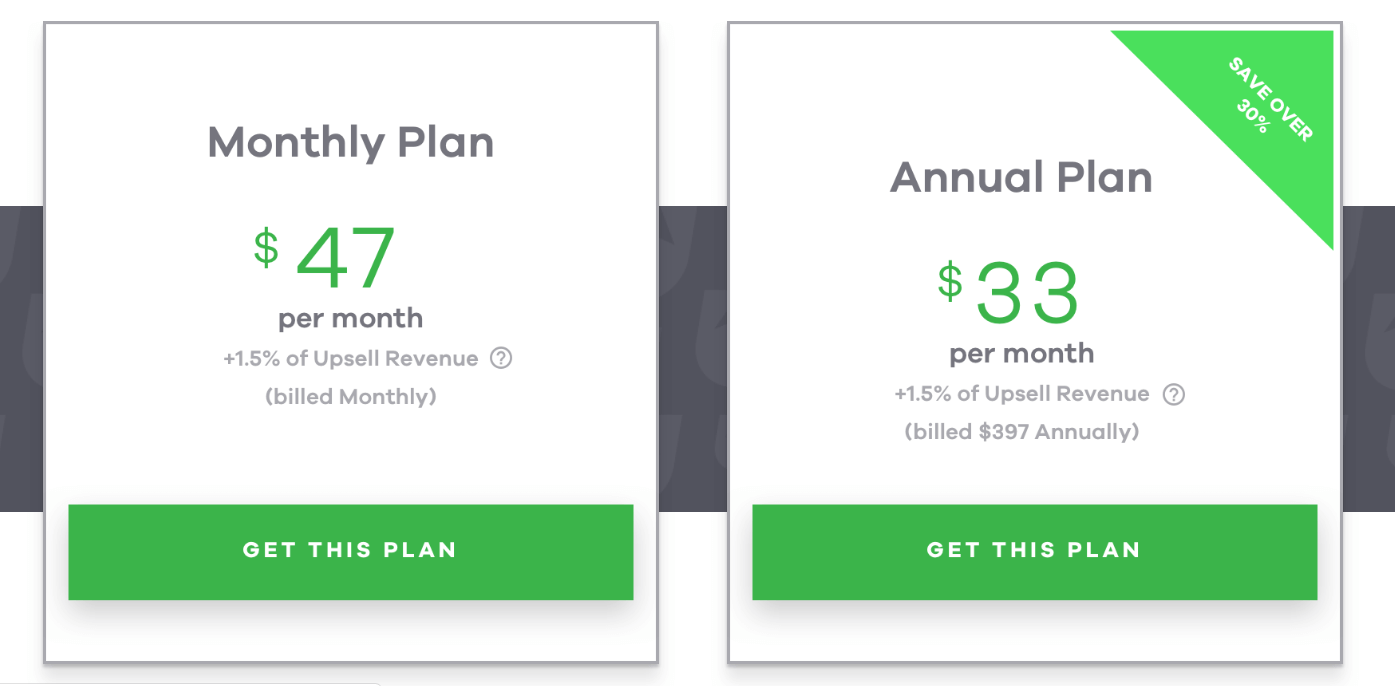
Zipify’s OneClickUpsell has a monthly plan and an annual plan. The monthly plan costs $47, while the annual plan costs $397 for a year (which comes down to about $33 per month). Apart from the fixed subscription charge, Zipify also takes 1.5% of the total upsell revenue.
There are no free trials available. You are charged right when you select a plan and enter your payment details. Though, the company does offer a 30-day money back guarantee.
While the costs are more affordable than the other upsell tools available online, a free trial, even for a few days would have been better as customers could get some time to try out the tool and see if it fits their business needs.
OneClickUpsell integrates seamlessly with all the major ecommerce applications including Stripe, PayPal, Authorize.net, MailChimp, Klaviyo, and Active Campaign
Zipify has a help center with tutorials and documentation about OneClickUpsell. You can also directly email the company or send them a message through the live chat popup available on their website. Though Zipify does not specify anywhere about their response time.
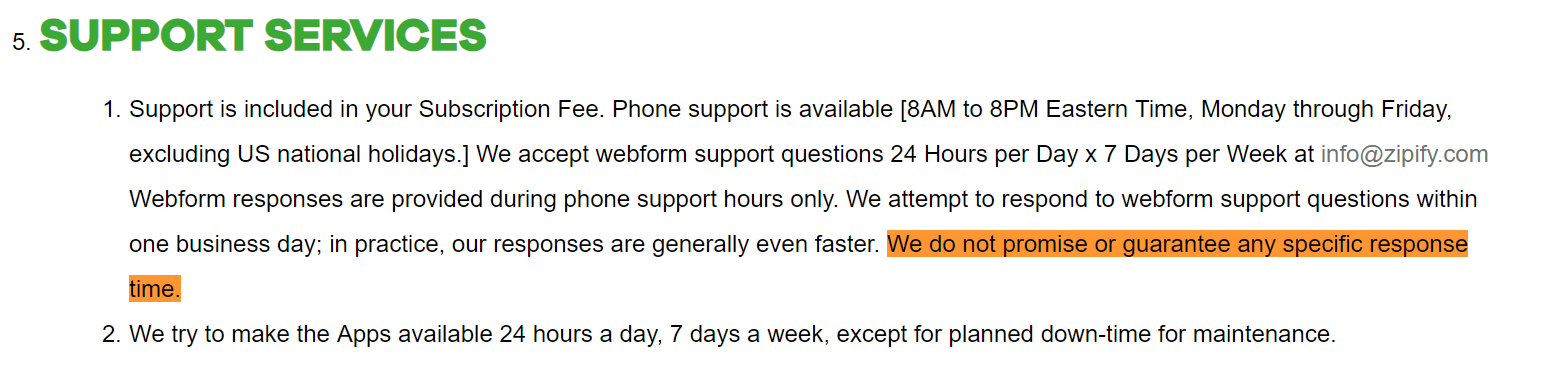
In fact, the company explicitly states that in their Terms of Services as well. While they try to get back to their customers within one day, they do not guarantee or promise any specific response time. Zipify also doesn’t guarantee uptime.
Zipify is a great start tool for small to medium Shopify users who want to try out upsell pages on their website. It is affordable than many of the other upsell tools. Though, with no priority support or advanced features, its not suitable for large ecommerce stores.
The post Zipify One Click Upsell Review appeared first on Facebook Advertising Agency | Facebook Marketing Company.
From the very first day of their creation, “quality assurance” (QA) and “quality control” (QC) terms have often been confused. As a company deeply interested in providing only top-notch website quality assurance services, Whidegroup knows a lot about every little aspect of quality when it comes to the development sphere, and can tell you the difference between quality assurance and quality control. So, let’s examine the details!
It is a good idea to address QA and QC standards in order to determine what “quality” is. International Organization for Standardization (ISO) 9001:2015 Quality Management Systems – fundamentals and vocabulary state the following: quality is the degree to which a set of inherent characteristics of an object fulfills requirements. In simplest terms, quality means meeting customer requirements.
If we talk specifically from within the development sphere, the definition of quality remains virtually the same – quality is a set of features of the software that are related to its ability to satisfy established and perceived needs, according to (ISO) 8402:1994 Quality Management and Quality Assurance.
Both QA and QC are used to ensure the all-around quality of a product. Let’s take a closer look at them.
Quality assurance is a testing procedure that is a part of quality management. Quality assurance narrowly focuses on providing confidence in the fact that quality requirements are fulfilled. The confidence provided this quality management procedure is two-fold – internal to management and external to customers and third parties.
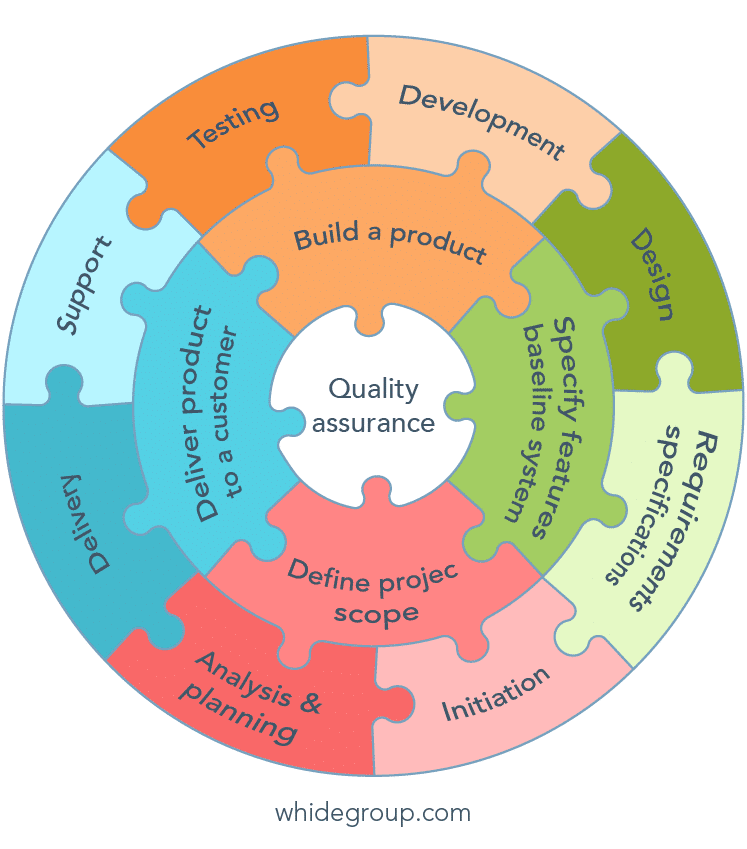
The quality assurance process is a proactive management practice. As a rule, QA testing is a manual process carried out by a separate specialist or team.
Functions:
Focuses:
Quality control is described as a process by which entities review the quality of all factors involved in production. ISO 9000 defines QC as “a part of the quality management which focuses on fulfilling quality requirements.” Or, in a nutshell, QC is the part of quality management which focuses on meeting definite quality requirements on the very final stage of the production.
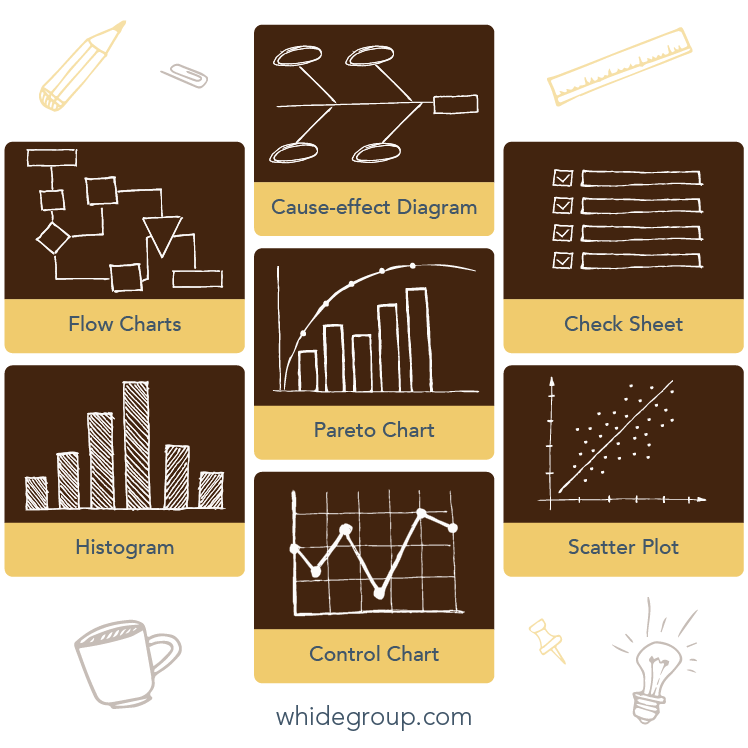
The main aim of the quality control process is verification of output conformance to the desired quality level. This means that the ready solution is checked against every customer requirement, on a strict plan, over specific points in the development lifecycle. Amongst other techniques, engaged teams use structured walkthroughs, testing tools, and code reviews to make sure that the solution meets the predefined set of requirements.
Functions:
Focuses:
So, we’ve reviewed both quality assurance and quality control. Now it’s time to learn the differences between these two terms, distinguish the advantages and disadvantages, and make a comparison. In order to simplify this process, we’ve prepared a comparison table. So, let’s begin.
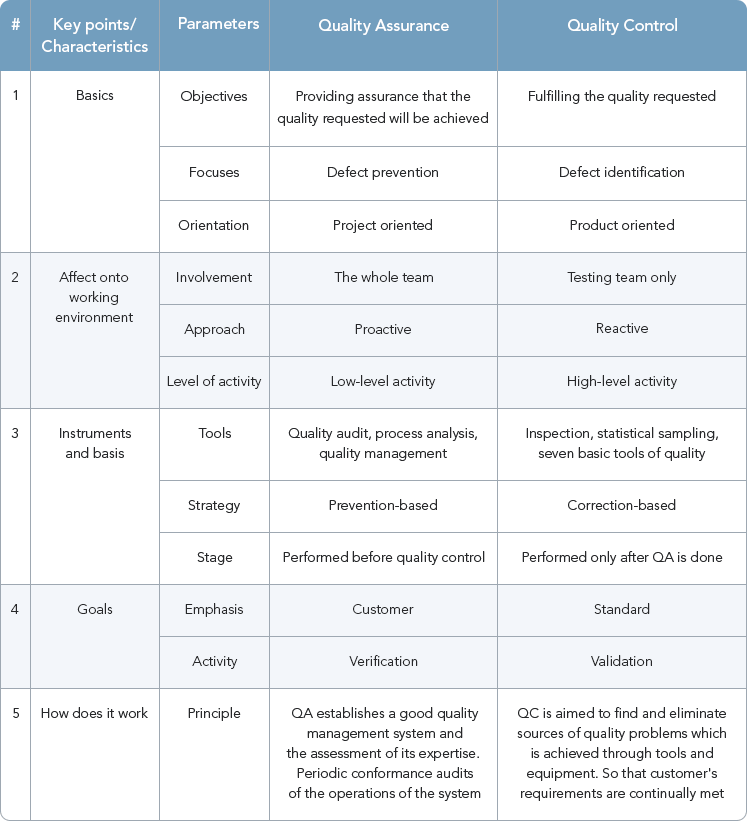
As you can see, it’s absolutely impossible to answer the question “QA or QC: which is best?” – even after thorough quality control and quality assurance comparison. They are both two sides of the same coin, but combining them wisely can bring you success and profits.
It’s difficult to overestimate the effectiveness of such a complex and structured quality management approach with QA and QC both at the helm. The benefits of such a powerful dual application lay on the surface:
We aspire to provide top-level services, which is why we’re aware of both the peculiarities and the benefits, of quality assurance. We can say the same about the features and advantages of quality control. Still not sure about what exactly do you need for your project? If you need qualified assistance with either of these two – you can count on us.
The post 5 Differences Between Quality Assurance and Quality Control appeared first on Facebook Advertising Agency | Facebook Marketing Company.
5 Differences Between Quality Assurance and Quality Control https://t.co/PZWE70bZel
— Voy Media (@voymedia1) April 22, 2019
Here are 6 Ideas to keep your Digital Marketing Clients longer https://t.co/5bgR9Lrlyu
— Voy Media (@voymedia1) April 22, 2019
The marketing landscape has transformed significantly in the past few years. Now, digital marketing has become an essential part of the field. Building a sound brand image now pertains to being favorably represented online and offline. In fact, 72 percent of marketers find content marketing to be the most effective form of SEO.
As a digital marketing agency, one thing is for sure- you will get a lot of digital marketing clients. However, the key is not just to attract them and get them onboard. Instead, you must also retain them in the long-run as well.
Here are six ideas that will aid you in keeping your digital marketing clients longer.
Customers to today, even if they are businesses, are not just interested in your service. Instead, they care about your values and how well they align with their values. In fact, a study was conducted by the Corporate Executive Board showed that 64 percent of customers want shared values with the companies they partner with. Therefore, if you want to retain customers in the long-run, make sure that you stand for something. And stand for something meaningful and valuable to society. Being just another digital agency Atlanta has to offer won’t cut the deal.

Digital marketing is ever-fleeting. The best practices of today might not be applicable tomorrow. This means that as a digital marketing agency, you need to keep up with the changing landscape. Make sure that the marketers you have onboard are aware of the changing digital platform. Keep up with SEO practices and deliver quality services to your customers in the long-run. By making sure that you know what digital strategies are in, you can ensure consistent services to your clients.
As a digital marketing expert, you will be in close contact with your customers. Whenever you communicate with them, you must be at your best behavior. Make sure to be friendly and helpful. Listen carefully to their problems and show that you are concerned. Customers are more tempted to stay with companies that have friendly representatives than ones where they don’t feel appreciated.
Sometimes trying to deliver results quickly is not the way to go. While it may allow you to retain customers in the short-run, it may become counterintuitive in the future. Why is this so? Well, this is because, generally the more quickly you offer results, the more fleeting they are in the world of digital marketing. This occurs because rather than treating the underlying problem, you focus on addressing the symptom. Rather than focusing on speed of service, try to focus on the quality instead. It doesn’t hurt to take your time. Let your clients know from the beginning that stable and lasting results can’t be achieved overnight. Work to provide long-term value to your clients.

As a digital marketing firm, some of you might consider standardizing your service. While it may work in other sectors, digital marketing is one field that has no room for standardized services. This is because every organization has varying needs and faces different challenges. And hence, they require customized solutions. Standard services might work initially to deliver essential services. However, to get a high SERP for instance, you need to alter your strategies than to rectify the issues faced by the organization. Customers like organizations that delve deep into their problems. They are more likely to stay with them long-run because this act helps in building trust.
Transparency is one of the essential characteristics of any digital firm. It helps in establishing trust with your digital marketing clients. Rather than exaggerating the numbers or being ambiguous about a firm’s online performance following your campaign, try to be as transparent as possible. Keeping your client in the loop is just as important as delivering quality marketing services to them. You can be providing excellent ROI to your client, but unless they about it, they won’t be able to appreciate your service fully.
These are just six of the various ways you can keep your digital marketing clients with you for a longer time. At the end of the day, what truly matters most is what your clients are getting out of your service and association. By continuously improving your services to incorporate recent trends, being transparent and friendly, you will be able to retain your clients.
Have the right goals in mind as a digital marketing provider. Adopt a customer-centric approach and watch as your client bounce rate decrease substantially. We live in a world where digital solutions are becoming increasingly popular. Leverage it now to get a significant mind share.
The post Here are 6 Ideas to keep your Digital Marketing Clients longer appeared first on Facebook Advertising Agency | Facebook Marketing Company.
How to Create an Impactful Presence through Advertisement on Social Media https://t.co/CW8KBZfAgn
— Voy Media (@voymedia1) April 22, 2019
